Before / After · Audio Example
Hear the difference. Unmastered vs. DJ Phalanx Master.
This is exactly what this page is about: making mastering audible. Start with the raw, unmastered version – then switch at the exact same spot to the DJ Phalanx Master. Same second, same track, just with more power, clarity, width and emotion.
Example 1
Example 2
Tip: switch between A and B while it’s playing – the difference hits you instantly.
DJ Phalanx Trance Mastering School
Trance
Mastering
Guide
A hands-on education page for trance and EDM mastering. Learn how to move from a raw pre-master to a finished, powerful, emotional and release-ready master with clear steps, practical checks, quiz questions, problem-solving and video lessons.
Step by step. No magic preset. Real listening decisions.
Before plugins
Start by listening, not by loading a limiter.
The first step in trance mastering is not EQ, compression or loudness. The first step is understanding the record. Play the full track from beginning to end and listen like three different people: the producer, the DJ and the listener.
The producer checks details. The DJ checks energy, mixability and impact. The listener checks emotion. A strong trance master has to satisfy all three.
Write down three things before touching the chain: what already feels powerful, what feels unclear, and what must stay emotional. These notes protect the track from over-mastering.
Learning Roadmap
The complete trance mastering path.
Work in this order. It keeps the master musical and avoids the classic mistake: chasing loudness before the track is controlled.
Listen
Find the track’s strengths, problems and emotional center.
Clean
Remove rumble, mud and harshness before adding loudness.
Control
Use compression and dynamic EQ only where the track asks for it.
Enhance
Add tasteful saturation, width, air and density.
Push
Use clipping and limiting without crushing the kick or lead.
Check
Meter, export, compare, test playback and fix what fails.
Interactive Problem Finder
What is wrong with your master?
Click the problem that sounds closest to your track. This gives you a practical first move before you start changing random plugins.
This section works like a mini mastering assistant. It points to the first thing worth checking instead of blindly pushing loudness.
8 Step Learning Guide
From raw pre-master to final touch.
Each lesson gives you a practical move, a listening target, a mistake to avoid, one personal task and a video lesson. Open the steps one by one and work through them slowly.
Corrective EQ is the cleanup stage. Do not try to make the master exciting yet. First, remove what blocks the track. In trance, this usually means unnecessary sub energy, low-mid fog and sharp synth resonances.
How you do it
- Check below 25 to 30 Hz and remove only useless rumble.
- Check 200 to 500 Hz for cloudy pads, reverbs and bass harmonics.
- Use narrow cuts for resonances, not huge cuts that thin the track.
- Use mid-side EQ if the sides carry low-end mud.
Your listening target
- The kick keeps its weight.
- The bassline becomes easier to hear.
- The breakdown stays warm.
- The lead becomes clearer without losing emotion.
Loop the drop and bypass the EQ every 20 seconds. Ask yourself: does the track feel clearer without becoming smaller? If yes, keep going. If it feels weaker, your EQ is too aggressive.
Compression can make the master feel more connected, but trance loses power fast when compression is too heavy. The kick needs transient impact. The bass needs groove. The breakdown needs space.
How you do it
- Start with a gentle ratio, often around 1.2:1 to 2:1.
- Use a slower attack so the kick transient survives.
- Set release so the compressor breathes with the rhythm.
- Use subtle gain reduction, often around 0.5 to 2 dB.
Your listening target
- The drop feels glued, not flattened.
- The kick still jumps forward.
- The breakdown still opens up.
- The groove feels stable and alive.
Push the compressor too hard on purpose. Then slowly back it off until the drop opens again. That point teaches you where the life of the record returns.
Dynamic EQ is perfect for trance because many problems are moment-based. A bass note jumps out. A supersaw becomes sharp only in the drop. A vocal gets harsh only on certain words.
How you do it
- Use dynamic cuts on bass resonances instead of removing body everywhere.
- Tame aggressive leads around 2 to 5 kHz only when they bite.
- Control bright vocals or synth peaks with narrow dynamic bands.
- Use sidechain dynamic EQ if kick and bass fight too much.
Your listening target
- The lead stays exciting.
- The bass stays full.
- The vocal stays emotional.
- The EQ reacts only when needed.
Set the threshold so the dynamic EQ reacts only on the loudest problem moments. If it moves all the time, it is changing the whole master.
Saturation can make a clean digital trance master feel more alive. It adds harmonic energy and can increase perceived loudness before the limiter. Too much saturation makes the kick fuzzy and the highs harsh.
How you do it
- Use small amounts on the full master.
- Try multiband saturation: less on sub, more on upper mids or highs.
- Use it to add density before limiting.
- Watch the kick transient carefully.
Your listening target
- The drop feels more alive.
- The low end stays tight.
- The highs shine without scratching.
- The lead feels bigger, not messy.
Turn the saturation up until you clearly hear it. Then pull it back by half. In mastering, good saturation is usually felt more than heard.
Trance needs width. Wide pads, plucks, supersaws, delays and reverbs create emotional scale. But if the center becomes weak, the drop loses impact.
How you do it
- Keep deep bass mostly mono, often below around 100 to 120 Hz.
- Widen upper frequencies instead of the full master.
- Use mid-side EQ to remove low-end mud from the sides.
- Check mono every few minutes while adjusting width.
Your listening target
- The breakdown can feel wide and cinematic.
- The drop stays centered and powerful.
- The kick does not move sideways.
- The track feels big, not hollow.
Switch the drop to mono. If the lead survives but the kick and bass lose power, the low end is too wide. Bring the deep bass back to the center.
Clipping can catch very fast kick and percussion peaks before they hit the limiter. This can help the final limiter work less aggressively and keep the master punchier.
How you do it
- Place the clipper before the final limiter.
- Start with tiny clipping, often less than 1 dB.
- Use oversampling if available.
- Listen to kick, clap, snare and bright percussion first.
Your listening target
- The kick stays punchy, not flat.
- The low end does not distort.
- Hi-hats do not become grainy.
- The limiter needs less gain reduction afterwards.
Clip only the smallest peaks, then reduce limiter pressure. If the master feels louder and cleaner, the clipper is helping. If the kick gets flat, back off.
Limiting is the final loudness stage. In trance, the limiter must make the track competitive without destroying kick punch, bass clarity, lead smoothness or breakdown depth.
How you do it
- Set the ceiling based on delivery, often around -1 dBTP for streaming-safe masters.
- Increase gain slowly and listen to the kick first.
- Use True Peak limiting for YouTube and streaming masters.
- Compare against the unmastered version at equal loudness.
Your listening target
- The kick still hits.
- The bass does not smear.
- The lead does not become painful.
- The breakdown still feels open.
Push the limiter until the master clearly starts to fall apart. Then back off until the drop breathes again. This is your loudness boundary.
Metering is the final reality check. It tells you what your ears may miss after working too long: loudness, True Peak, stereo width, mono compatibility and tonal balance.
How you do it
- Check Integrated LUFS, Short-Term LUFS and True Peak.
- Check mono compatibility.
- Compare with reference tracks at the same loudness.
- Export the master and listen outside the DAW.
Your listening target
- The master still feels emotional.
- The drop still feels bigger than the breakdown.
- The highs survive YouTube or streaming encoding.
- The master works on headphones, small speakers and in the car.
Listen once quietly, once loud, once on headphones and once on small speakers. A release-ready master survives all four checks.
Interactive Quiz
Check your mastering instincts.
Answer these like you are mastering your own trance track. Click one answer and you get instant feedback.
Question 1
The drop sounds loud, but the kick lost punch after limiting. What should you check first?
Question 2
The breakdown sounds beautiful, but the full drop feels cloudy. Which area is often worth checking?
Question 3
The master sounds huge on headphones, but weak in mono. What is the likely issue?
Question 4
A supersaw lead becomes painful only in the drop. Which tool is usually smarter than a big static EQ cut?
Video School
Watch the moves in action.
The videos load only after a click, so the page stays faster. This gives the reader visual learning without slowing down the first page load.
Trance Mastering Tutorial
A trance-focused mastering lesson with pre-master analysis, chain decisions, loudness and stereo checks.
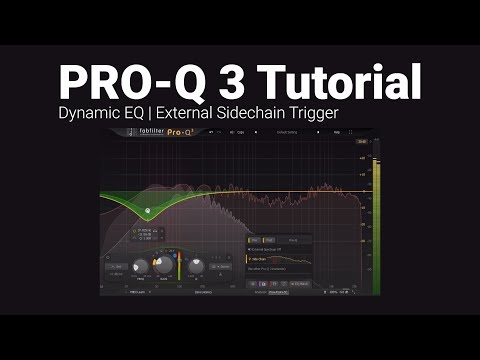
EQ and Dynamic EQ
Use this for resonance control, dynamic bands and cleaner decisions before loudness.
Pop and EDM Mastering
Good for seeing a practical Ozone-style mastering flow on electronic music.

Stereo Imaging
Helpful for understanding width, narrowing, visual stereo checks and mono safety.

FabFilter Pro-L 2 Limiting
Final loudness, limiter behavior, True Peak thinking and gain reduction decisions.
YouTube Loudness Normalization
Useful for understanding why loudness, encoding and True Peak control matter after upload.
Release Check
Before you call the master finished.
Use this as your final pass. If one point fails, fix it, export again and listen once more.
- The kick still punches.
- The bassline is clear.
- The sub is controlled.
- The low end works in mono.
- The lead is bright but not painful.
- The vocal is clear, if there is one.
- The breakdown feels open.
- The drop feels bigger than the breakdown.
- The highs are clean.
- The master is not distorted.
- The stereo image is wide but stable.
- The True Peak is under control.
- The loudness fits the release purpose.
- The master works on headphones.
- The master works in the car.
- The master works on small speakers.
- The master stands next to reference tracks.
- The track still feels emotional.
Final Truth
Perfect meters do not guarantee goosebumps.
Trance mastering is technical, but trance is emotional. You can have a perfect LUFS number and still have a boring master. You can have a perfect stereo meter and still miss the feeling.
The real question is simple: does the breakdown still touch you, and does the drop still hit your chest? If the answer is yes, you are close.
Powerful. Clean. Wide. Emotional. Finished.FAQ
Trance mastering questions.
Trance mastering is the final stage of preparing a trance track for release. It shapes tone, low end, loudness, stereo width, True Peak, dynamics and translation while keeping the feeling of the music alive.
It depends on the purpose. Streaming-focused masters can be more dynamic. DJ and club masters are often louder. Loudness should never destroy kick punch, clarity or emotional lift.
The deepest low end is often kept mostly mono, especially below around 100 to 120 Hz. This helps the kick and bass translate better on large systems and keeps the center powerful.
Harshness often comes from too much upper-mid or high-frequency energy. Supersaws, vocals, hi-hats, risers and white noise can become painful after limiting. Dynamic EQ and careful de-essing can help.
The limiter may be working too hard, the low end may be too heavy, or the kick may have uncontrolled peaks. Clean the low end, use gentle clipping before limiting, or go back to the mix.
The goal is a finished master that sounds powerful, clean, wide and emotional everywhere it is played. The listener should feel the drop and still feel the soul of the track.